2026 Modern Style Home: Living Revolution from Function to Emotion
The modern home design of 2026 is undergoing a profound transformation—from 'functional satisfaction' to 'emotional symbiosis.' This year's design trends transcend single stylistic labels, emphasizing the fusion of personalized expression, practical functionality, and aesthetic harmony. The home becomes a spiritual sanctuary that truly embodies stories, attitudes, and the rhythm of life.
Color Emotion: Personality Highlighting on Low Saturation Background
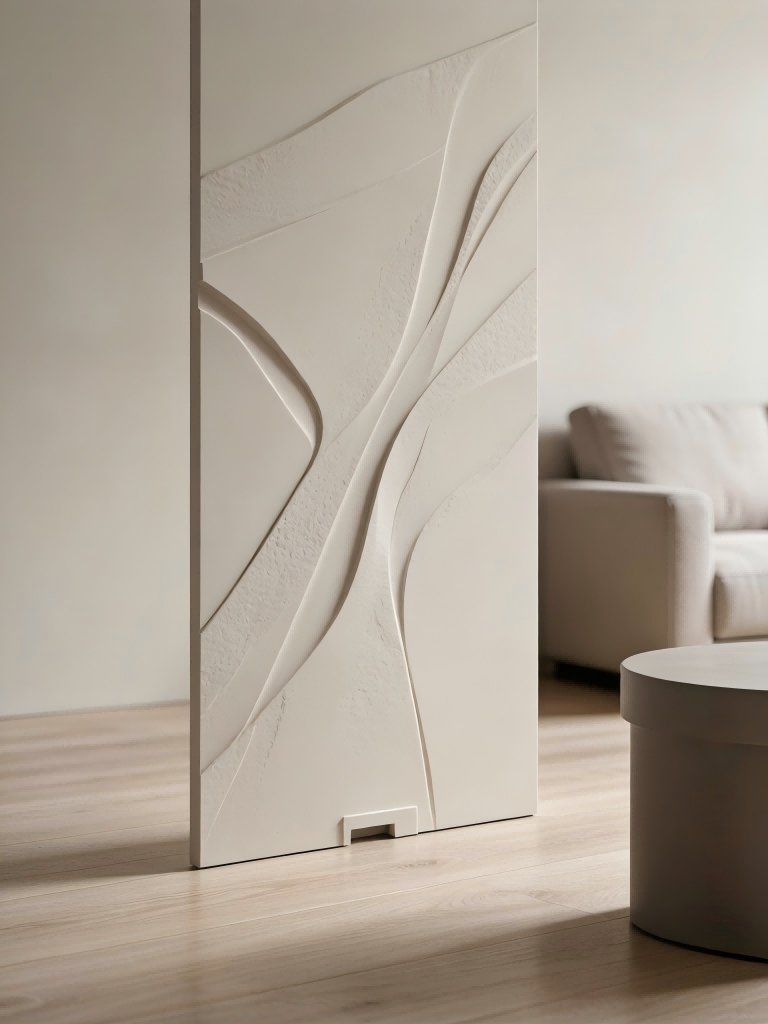
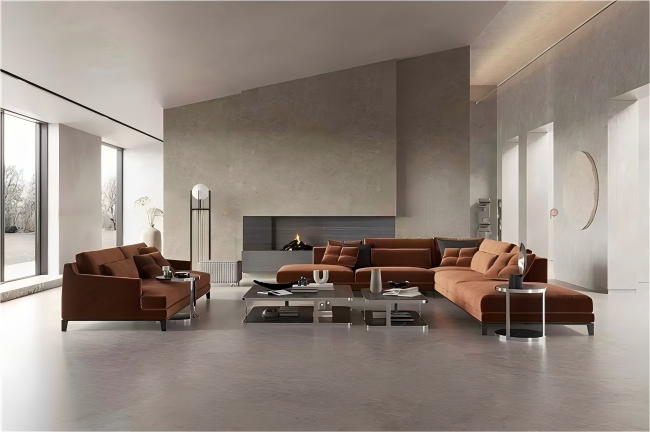
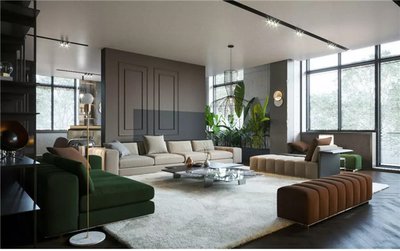
- The 2026 home modern design features a low-saturation natural color palette, with soft tones like beige, light gray, and cream occupying 60%-70% of the space to create an open and serene visual experience. Building on this foundation, the "3+1 rule" (three base colors plus one accent color) introduces low-saturation pastel hues as emotional accents—such as pale blush, clear blue, and sprout green—that pop against the muted background, infusing the space with vitality and personality. This color scheme not only alleviates visual fatigue but also accentuates the spatial hierarchy and sense of breathing.
Material Narration: The Symbiosis of Nature and Technology
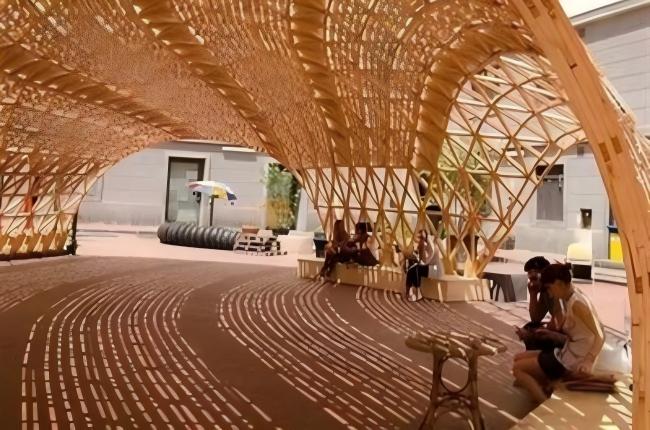
- In material selection, 2026 witnessed a harmonious dialogue between nature and technology. Nearly 80% of clients prioritized natural materials like wood, biomimetic stone, and linen, with formaldehyde-free and low-carbon emission standards becoming industry norms. Meanwhile, smart materials began seamlessly integrating into living spaces, shifting smart home systems from "showcasing features" to "unobtrusive services." The art of material blending proved particularly crucial—the "panel + metal" combination creates rich, layered textures through contrasts of warmth and coolness, softness and hardness. This diverse material application broke away from conventional usage patterns, allowing spaces to combine natural warmth with modern sophistication.
Evolution of Furniture Decoration from "Simple Form" to "Simple Heart"
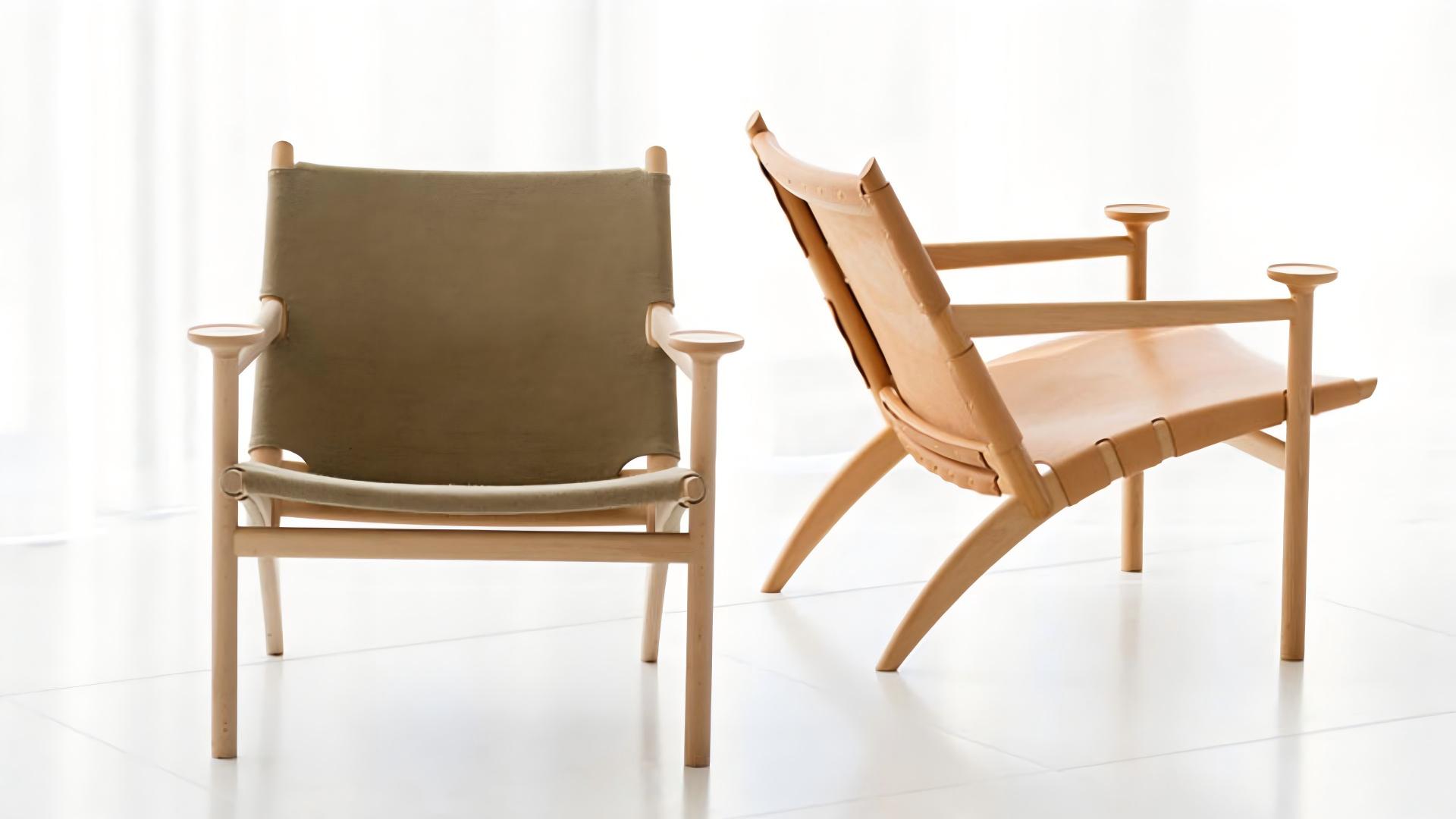
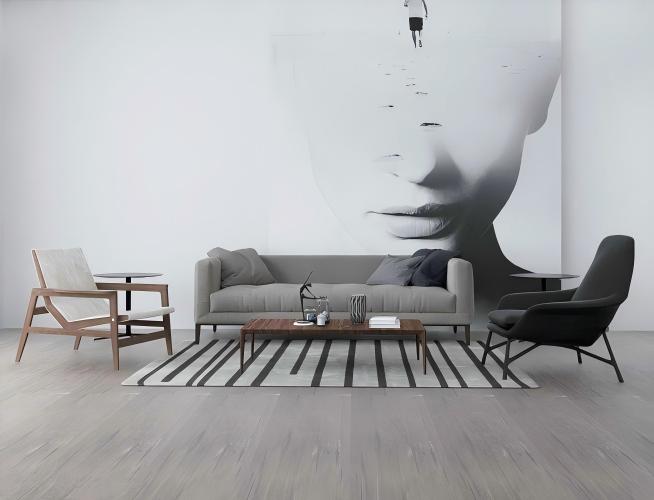
- The 2026 modern furniture collection adheres to the principles of "modular design, lightweight construction, and multifunctionality," featuring sleek lines and minimal ornamentation. For decorative elements, we recommend incorporating materials with distinct surface treatments: high-gloss finishes accentuate contemporary aesthetics, open lacquer techniques preserve natural textures, while aged finishes add timeless charm. When paired with soft furnishings like linen and leather, walnut wood's warm, mellow qualities create a harmonious contrast, delivering a richly layered sensory experience. This interplay of materials is the key to highlighting the space's quality.

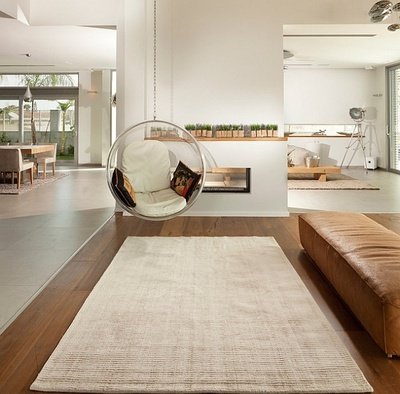
Modern-style homes in 2026 embody a dynamic equilibrium centered on human living. Stylistically, they reject rigid categorization, embracing diverse fusion as the norm. Color schemes follow the principle of "low-saturation base + high-saturation accent," balancing emotional comfort with individual expression. Materials prioritize natural and eco-friendly options, creating multisensory experiences. Spatially, modular designs adapt to family life cycles. When selecting styles and colors, consider your home's lighting, lifestyle, and aesthetic preferences—ensuring spaces align with trends while truly fitting your daily life, transitioning from "homogeneous aesthetics" to a new realm of "personalized color palettes."
Water-based Paints for Wall Art: A Perfect Fusion of Environmental Protection and Aesthetics
Japanese Home of Detachment: Minimalist Aesthetics, Letting Life Return to Its Essence
Related Article