Simplicity is Not Simple: Spatial Philosophy of Modern Living Room
In an era of information overload and material abundance, the living room—the heart of the home—is undergoing a profound aesthetic revival. People are moving away from cluttered and intricate designs, seeking instead serene spaces that soothe emotions and alleviate stress. The modern concept of "simple yet sophisticated" living room furniture design layout responds deeply to this demand. It doesn't mean monotony or emptiness, but rather creates a lifestyle space that combines elegance, comfort, and robust functionality through meticulous design, refined material selection, and thoughtful play of light and shadow.
Visual Negative Space and Structural Beauty
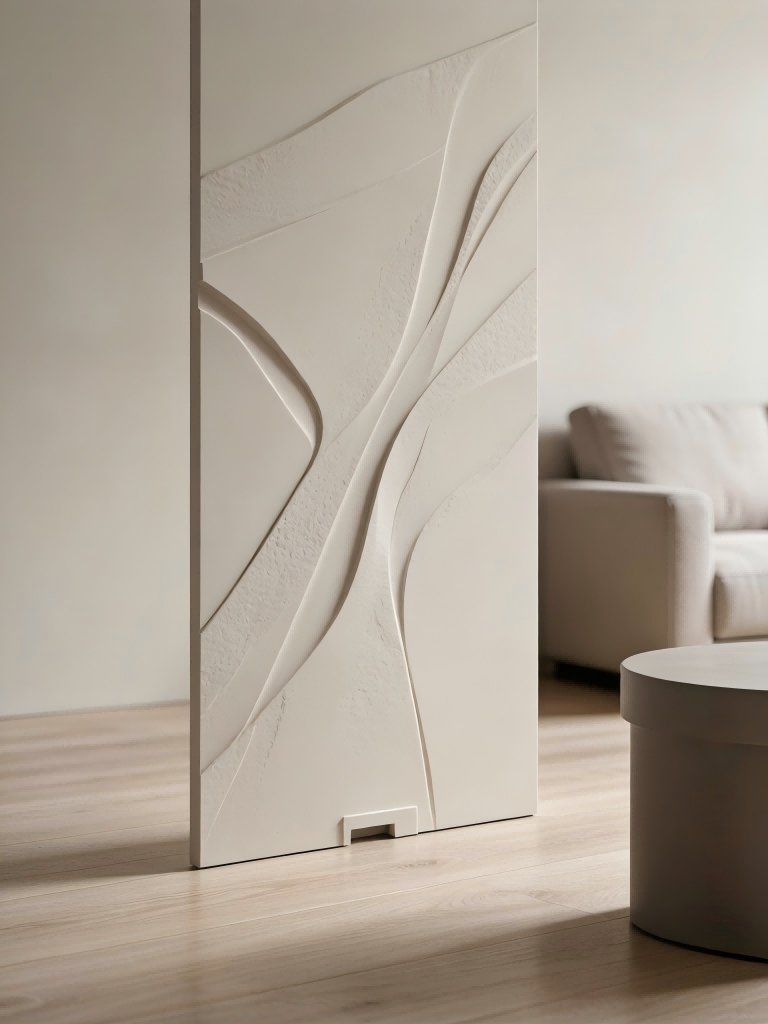
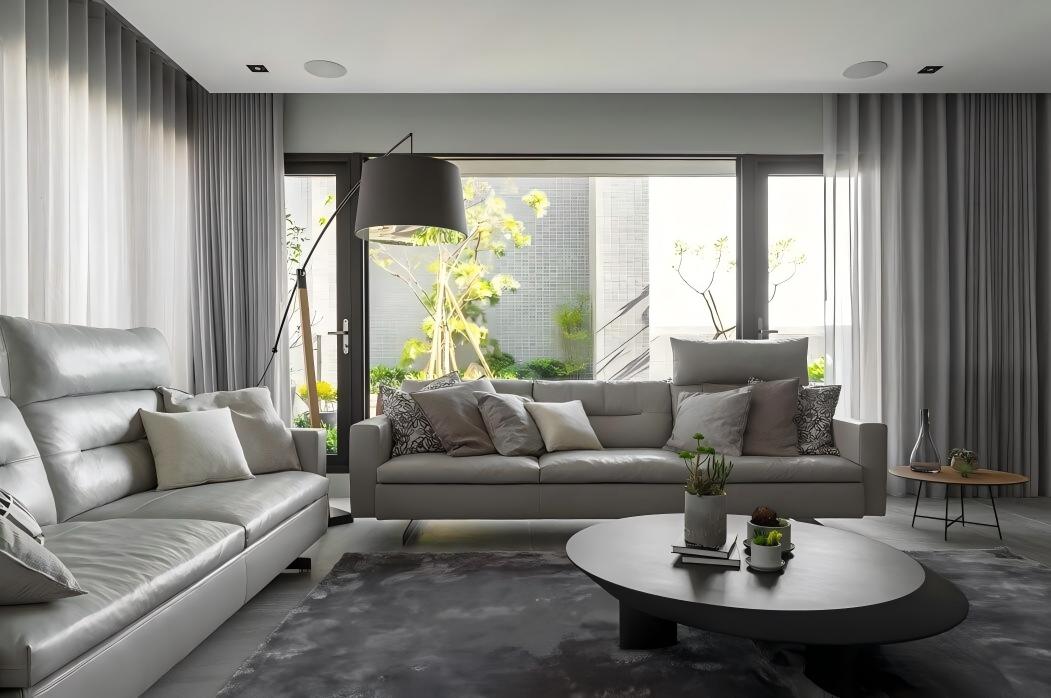
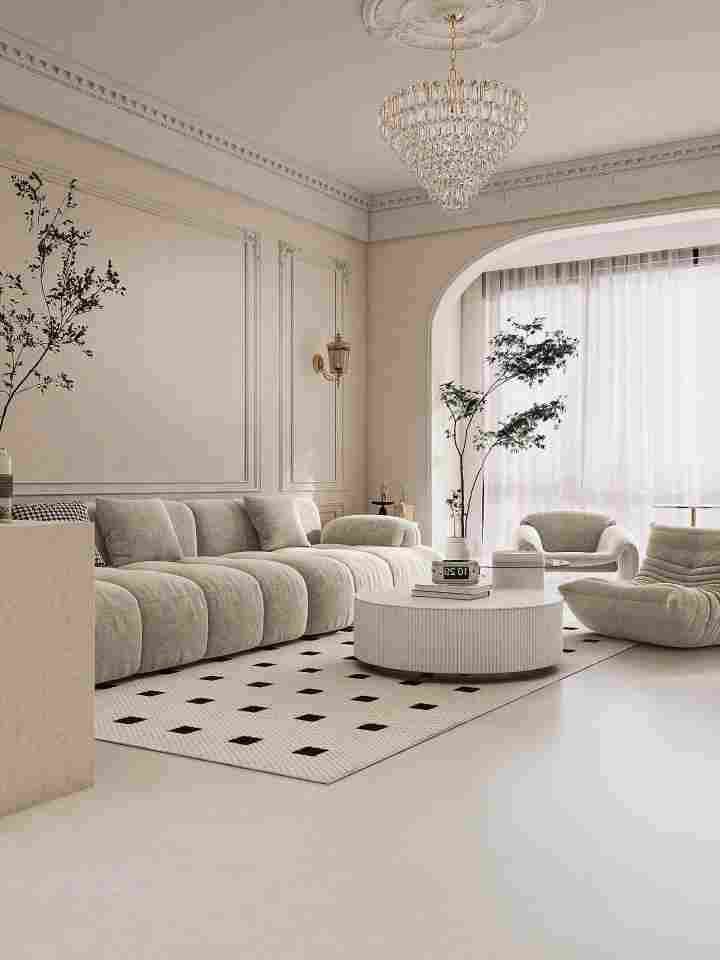
True simplicity begins with the courage to embrace negative space. This approach involves minimalist layout design, eliminating redundant partitions and decorations to let the space's inherent structure, lines, and natural lighting take center stage. Large solid-colored walls, fluid ceiling designs, and expansive vistas form a serene foundation. Yet the true sophistication lies in meticulous attention to proportion, rhythm, and compositional relationships. An asymmetrical storage wall, a slender yet impactful linear lighting fixture, or a framed view created by a large floor-to-ceiling window—all these elements construct dynamic visual layers within seemingly simple interfaces. This is precisely the essence of modern high-end living room design furniture.
Material Dialogue and Precision Details
The refined texture and warmth of minimalist spaces emerge from the deliberate interplay of diverse yet restrained materials. Skin-friendly micro-cement walls, naturally textured solid wood floors, and velvety wool carpets harmonize with austere metal frames through deliberate contrast. Lighting design plays a pivotal role, shifting from centralized main fixtures to integrated solutions—embedded, magnetic, and suspended systems that combine points, lines, and planes to transform light into decorative artistry, creating soft, layered luminosity. Every piece of furniture and object demands meticulous attention; their craftsmanship, details, and forms themselves constitute exquisite decor, perfectly embodying the modern philosophy of "less is more" in living room design.
Functional concealment and mental enrichment
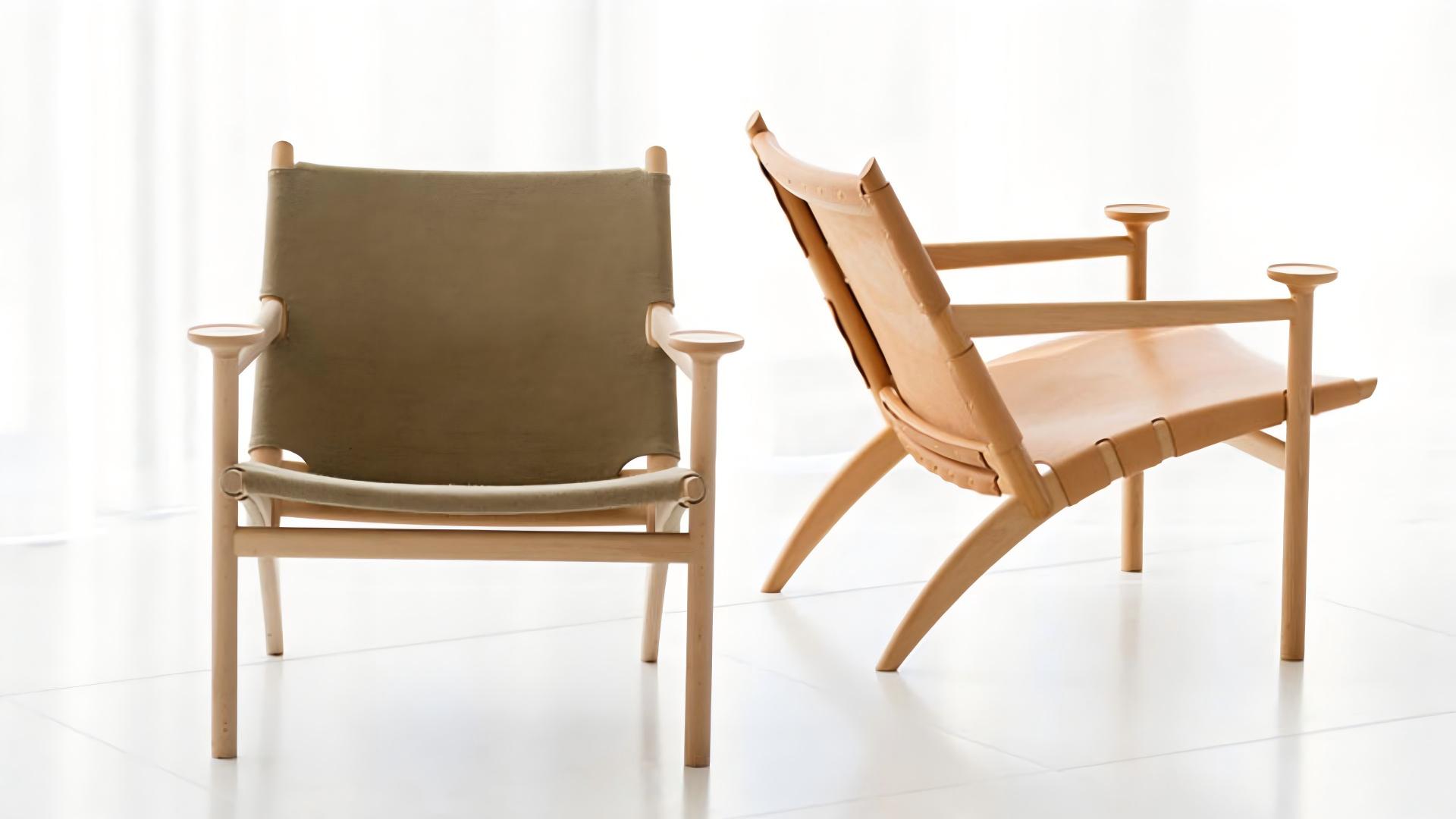
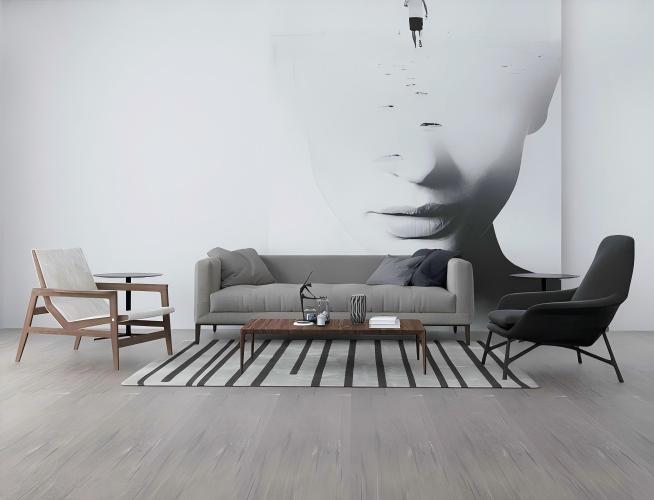
Ultimately, minimalism's core philosophy revolves around serving human needs. Sophisticated storage systems are seamlessly integrated into walls or floor surfaces, ensuring daily essentials occupy designated spaces while maintaining visual clarity. Furniture selection prioritizes ergonomic comfort and flexible configurations that foster authentic interaction and relaxation. In such spaces, human movement and emotional well-being take center stage. By eschewing ostentatious displays and achieving precise balance between form, functionality, and emotional resonance, this design creates a healing sanctuary where inhabitants can breathe, reflect, and connect. This embodies the ultimate value pursued in modern furniture designs for living room – a space that transcends mere aesthetics to become a sanctuary for authentic living.
Designer Furniture: A Smart Choice Beyond Trends
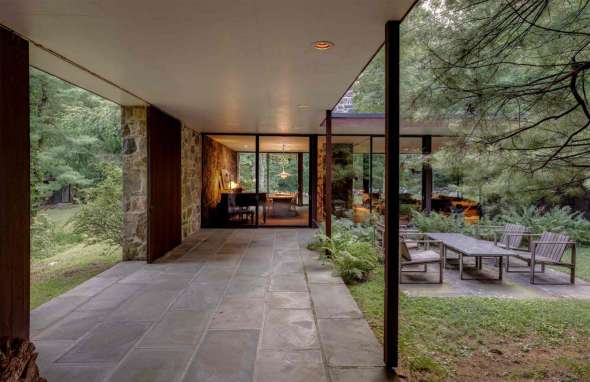
Living in Silence: Modernist Forest Resort House