4-Step Guide to Mastering Interior Design Drawings: Become a Pro at Home Decoration
Faced with complex renovation blueprints, beginners often feel at a loss. Don't worry—master these four key steps to quickly get started and truly participate in your home style decor process, ensuring the design is flawlessly realized.
Step 1: Clarify the sequence of drawings, from macro to micro
When reviewing architectural drawings, avoid disorganized approaches. The proper sequence is: First, study the original structural diagram to understand the house's initial state; then examine the floor plan—the master plan that determines spatial layout and functional zoning; finally, combine this with elevation drawings and node details to thoroughly understand the "interior decoration" specifics of each wall. By following this sequence, you'll build a clear understanding from the whole to the parts.
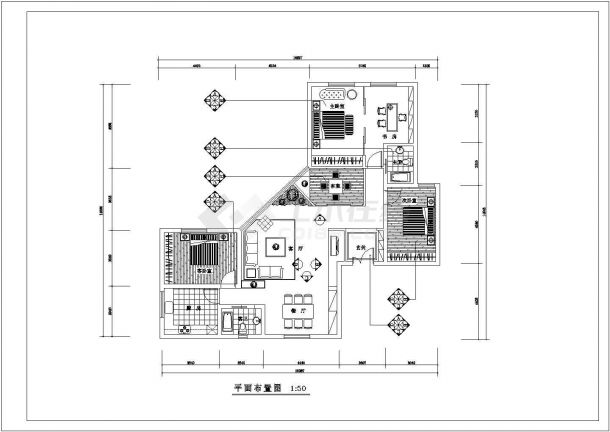
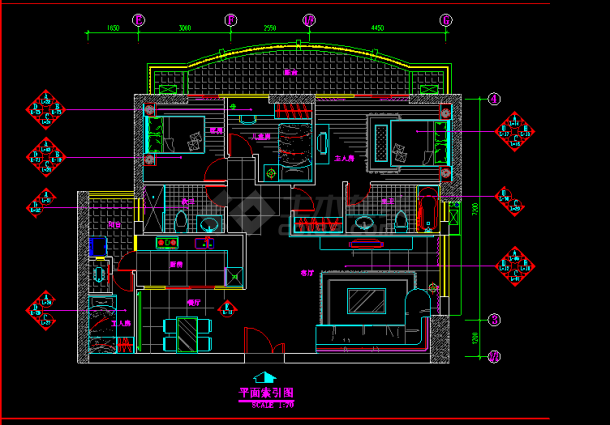
Step 2: Focus on the core-floor plan
The floor plan is the soul, determining your future living flow. Focus on: wall modifications, furniture dimensions and layout, and smooth movement. Imagine yourself walking and living in this space, checking if the layout suits your habits. This is key to ensuring "home decor style" is not only beautiful but also practical.
Step 3: Read the elevation and annotations, and grasp the decorative details
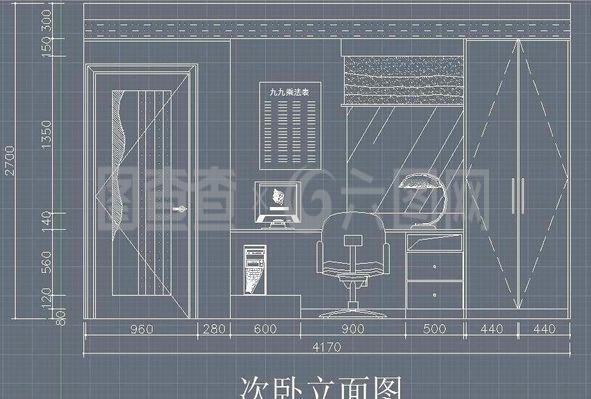
The elevation drawings act as a spatial "full-length mirror", visually presenting each wall's design. You need to understand the wall materials, shapes, switch sockets, and cabinet styles and heights. At the same time, carefully read the dimension labels and text descriptions on the drawings, as these directly determine the final dimensions, materials, and colors for "home decoration" – the key to avoiding disputes later.
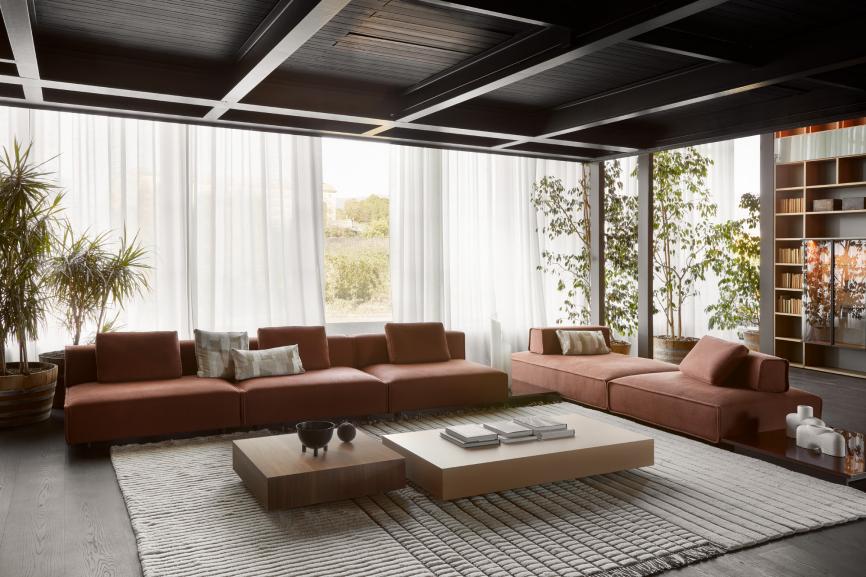
Step 4: Imagine the final scene with the render
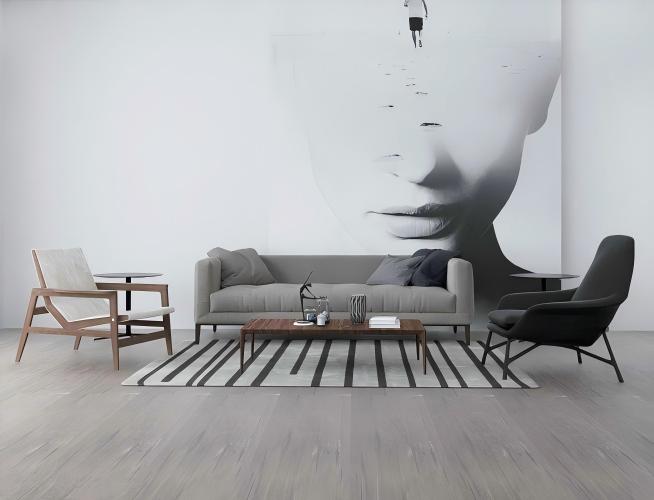
Renderings are visual tools to envision future homes. However, they are idealized references that should be reviewed alongside construction drawings. Focus on their color schemes, material combinations, and atmosphere to determine if they align with your aesthetic preferences, and communicate with the designer for adjustments as needed.
Understanding the blueprints is the first step in steering your home styles interior. Ask questions and double-check details—this way, you'll be the most reliable supervisor of your own project!
How to decorate a duplex building to look grand?
Four bohemian home decor styles popular among the bourgeoisie
Related Article