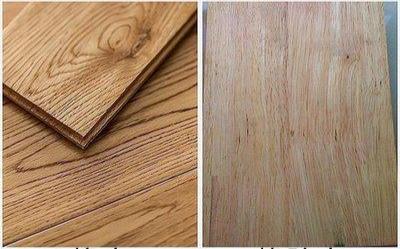
Water-based Paint and Oil-based Paint: The Key Choice for High-end bespoke furniture
The distinction between water-based and oil-based paints represents a pivotal technical choice in contemporary furniture decoration and manufacturing. Their fundamental differences extend beyond composition and environmental compatibility, as they directly influence the final product's texture, application process, and long-term user experience.
Core Differences: Environmental Protection and Construction Experience
Water-based paints use water as the diluent, containing minimal volatile organic compounds (VOCs). They emit virtually no odor during application, dry rapidly, and allow tools to be cleaned with water, significantly improving workability and efficiency. In contrast, oil-based paints employ organic solvents (such as banana oil or turpentine) as diluents, resulting in a thicker, harder film. However, they produce strong odors during application, require professional dilution and prolonged ventilation, and necessitate the use of specific solvents for tool cleaning.
Performance: Diverse Application Scenarios with Unique Advantages
In terms of physical properties, oil-based paints have traditionally been regarded as superior in hardness, wear resistance, and fullness, making them particularly suitable for floors or outdoor furniture with extremely high wear resistance requirements. Modern water-based paint technology has made significant progress, maintaining excellent environmental performance while achieving wear resistance, scratch resistance, and yellowing resistance that rival or even surpass traditional paints. Moreover, water-based paints exhibit superior flexibility and are less prone to cracking, making them especially suitable for children's furniture,bespoke bedroom furnitureand and other indoor furniture decoration with stringent environmental requirements.

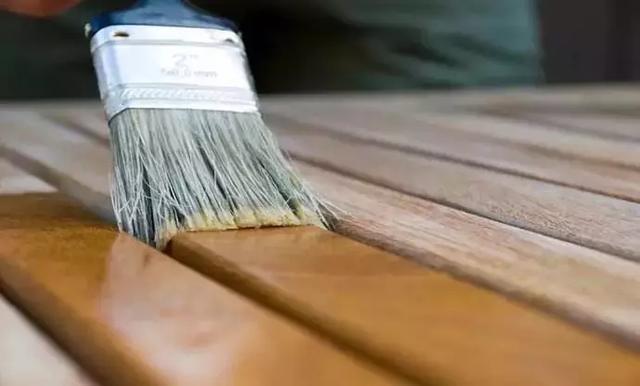
Application Effect: Different Expression of Texture and Aesthetics
In final application, oil-based paints typically deliver thicker films with versatile gloss options, creating a classic, luxurious texture. Water-based paints, on the other hand, emphasize natural and smooth finishes that better preserve the wood's inherent grain and tactile qualities, aligning with modern minimalist and naturalist aesthetics. For high-end bespoke wooden furniture and decorative projects that prioritize authentic material beauty, water-based paints excel at highlighting the natural attributes of the materials.
Health and Future Trends
With increasingly stringent global environmental regulations and heightened consumer health awareness, low-VOC, odorless, and instant-ready water-based paints have become the market mainstream and an inevitable trend. These paints not only represent healthier and safer production and usage methods, but their continuously improved performance also fully meet the dual demands of quality and aesthetics in high-end furniture decoration. Choosing water-based paints means taking responsibility for users, producers, and the environment, while also embracing a smart strategy for future markets.
Rubberwood and Oak: How to choose?
What determines the comfort of a sofa?