What determines the comfort of a sofa?
In home style design,The comfort of a sofa is not accidental, but determined by its internal structure and composition. Understanding these can help you make a more informed choice.
The following is the specific impact of different sofa structure and composition on comfort:
1. Frame structure: Comfort foundation
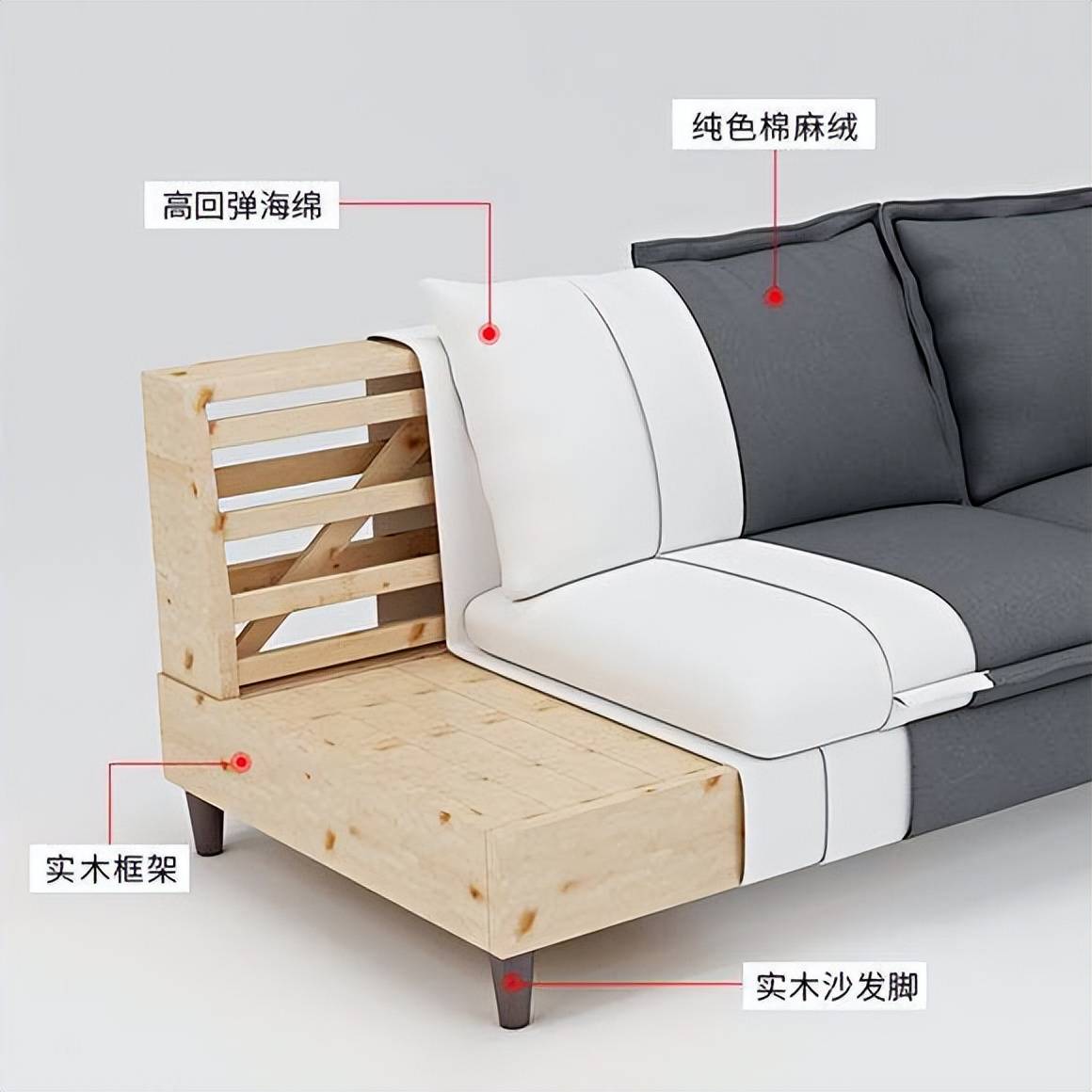
The frame is the skeleton of the sofa, which determines its durability and basic shape.
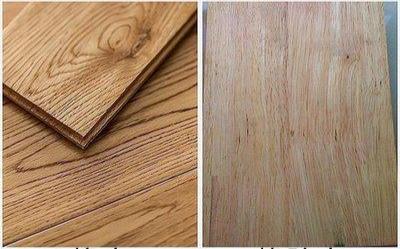
- Solid wood frame: Premium hardwoods (like oak or beech) create a sturdy, stable, and durable frame that keeps the sofa from warping over time, ensuring a solid comfort base. In contrast, low-quality woods or composite materials tend to crack and deform, causing the sofa to wobble and make strange noises—making comfort a distant dream.
- Metal frame: Typically used in modern style of homes and industrial styles , it offers high strength and long lifespan. However, its rigidity requires pairing with soft fillers to enhance comfort, as it doesn't inherently provide a "soft" seating sensation.
2. Spring system: the "core engine" of the sitting sensation
The spring system is responsible for bearing and rebound, and is the key to affect the softness and elasticity of the sitting feeling.
- ·Full-suspension spring: A traditional design offering strong structural integrity and reliable support. However, its elasticity diminishes with prolonged sitting, and the entire cushion becomes interconnected when occupied, resulting in poor anti-interference performance and a somewhat stiff seating sensation.
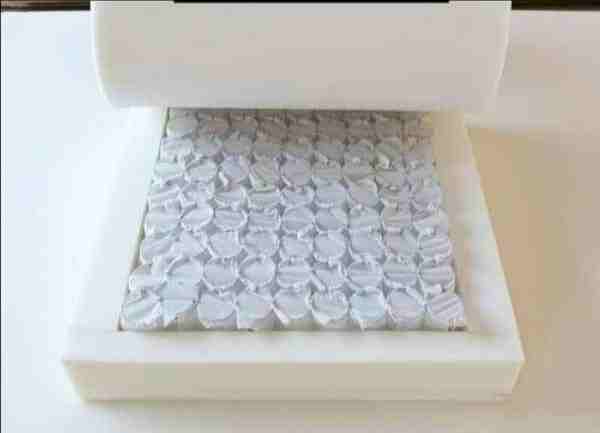
- Independent pocket springs: The mainstream choice for modern high-end sofas. Each spring is individually housed in a non-woven fabric pocket, providing precise and independent support for every body part while conforming to the body's curves. Excellent anti-interference performance ensures one person's turning over doesn't disturb others. The sitting comfort offers moderate firmness with layered support and enhanced stability.
- Elasticized cushioning (elastic band): Typically used in casual, laid-back sofa designs (e.g., Japanese or Scandinavian styles). Crafted from highly elastic rubber bands interwoven across the frame, it delivers a plush, deep-sinking comfort that feels like being wrapped in a plush sofa. However, prolonged use may cause the elastic bands to loosen, potentially leading to cushion collapse.
3. Filling: Direct touch and softness
The filler is in direct contact with the body, which determines the softness, wrapping and sitting shape of the sofa.
- sponge :
- High-density, high-rebound foam: This is the hallmark of premium sofas. With a high density (≥35D), the foam features fine pores that prevent collapse and ensure longevity. Its quick rebound allows immediate restoration to original shape, delivering lasting, firm support and a springy, comfortable sitting experience.
- Low-density sponge: low cost, soft at the beginning, but it is easy to compact and deform after sitting for a long time, forming a "buttock hole", and slow to bounce back, poor comfort.

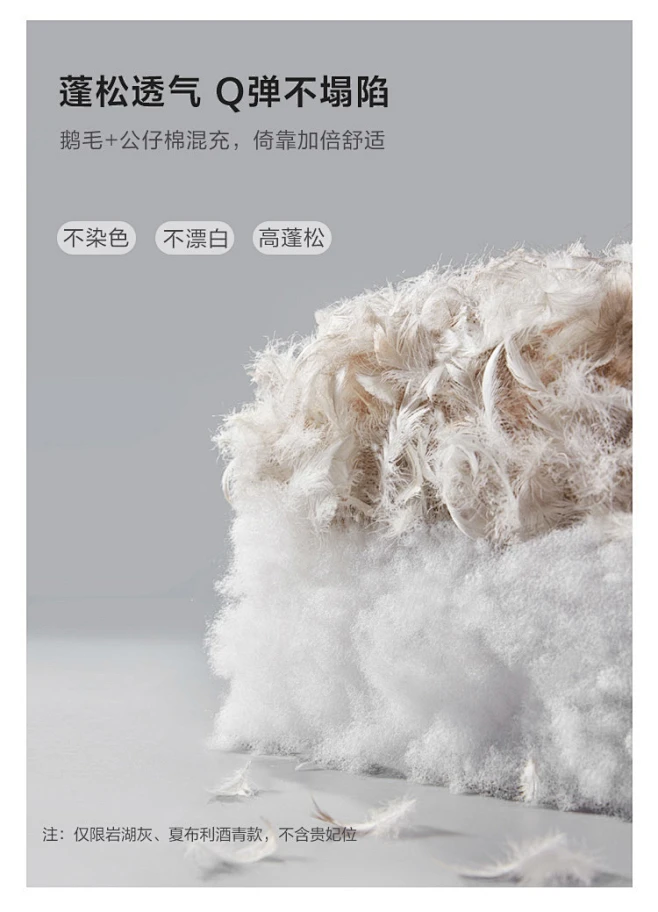
- eiderdown :
- Typically used with sponge or as the top layer. Offers an ultra-soft, fluffy embrace that feels like being held when seated. While breathable, it lacks support and requires frequent patting to maintain its fluffiness. Pure down sofas are slightly too soft, making them a bit of a struggle to get up.
- Artificial cotton (plush cotton): The texture is very soft and is often used as an auxiliary filling to increase the fullness of the sofa. However, it is prone to collapse and clumping, so it is usually not used as the main filling.
One final tip: Make sure to try it out in person when you decide your types of home styles! Sit in your most relaxed position for 10 minutes in the store and feel whether your waist, back, hips and legs are properly supported. This is the ultimate test of sofa comfort.
Water-based Paint and Oil-based Paint: The Key Choice for High-end bespoke furniture
The leather family tree: infusing soul into custom furniture