
Solid wood panel assembly technique: A key step in custom furniture manufacturing
During the customization process of solid wood furniture, the plywood assembly technique is a crucial step. It determines the durability, aesthetics and environmental performance of the manufacturing furniture. This article will introduce to you the types, processing steps and precautions of the solid wood plywood assembly technique, helping you better understand the furniture manufacture process of solid wood custom furniture.
01 Solid Wood Panel Joinery Technique
The solid wood paneling technique involves assembling narrow solid wood boards of different lengths to form the desired width of the panel, such as solid wood countertops and solid wood chair seat plates. Common joining methods include flat jointing, exposed jointing, finger jointing, through-strip joining, lap jointing, plug jointing, screw jointing, through-strip joining, hanging strip joining, end embedding joining and strip embedding joining. Among them, flat jointing (glue jointing) is the most commonly used method, which is formed by gluing the straight sides of the board surface that are perpendicular or inclined. Square jointing and trapezoidal jointing are its main forms.
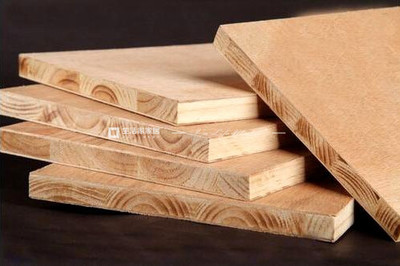
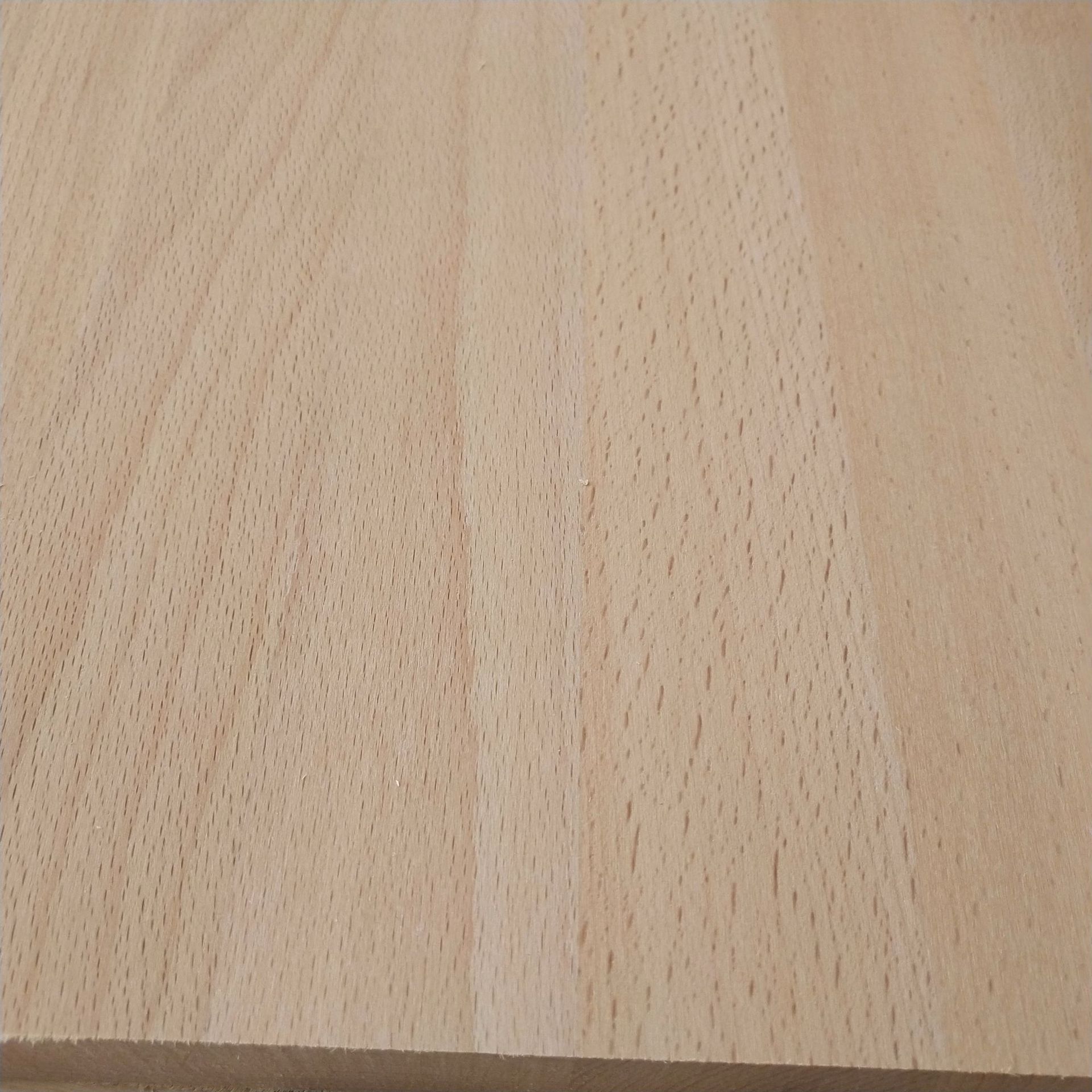
02 Processing Procedure of Solid Wood Panel Assembly
Strict requirements are imposed on the surface quality of wood materials, ensuring that the processing error of wood is less than 0.2 millimeters. The straightness of adjacent surfaces of the wood should be good, and it should be smooth, flat, and not bent. After drying, the wood undergoes natural moisture absorption and then the moisture content should be controlled between 8% and 12%. When the wood moisture content is lower than 6%, it will cause some adverse phenomena due to the expansion of wood due to moisture absorption. Therefore, controlling the moisture content of the wood is very important.
White latex is applied between the spliced boards to bond them together. After applying the glue, the boards are heated and pressed by a high-frequency splicing equipment. The curing period is the interval time for the spliced boards to be unloaded from pressure and enter the next process (such as sanding, cutting, etc.). If the curing period is insufficient, it is likely to cause cracking and sinking of the glue lines during the later processing.
03 Advantages of Customized Solid Wood Furniture
Customized furniture made of solid wood is much more complex than that made from ordinary materials. From raw materials to processes, it is relatively more cumbersome, requiring multiple processing steps and strict quality control. Therefore, solid wood customized furniture has more advantages in terms of appearance, durability and environmental performance. At the same time, it can better meet individualized needs.
In conclusion, custom-made solid wood furniture manufacturing is a choice that demands high standards and quality. When choosing solid wood custom furniture, it is essential to understand its manufacturing process and precautions. Taizi Mu Zhi, as a professional brand of custom solid wood furniture, has always been committed to providing customers with high-quality custom services.

The truth of comfort: From the skeleton to the temperature
Analysis of EVA Edge Bonding and PUR Edge Bonding
